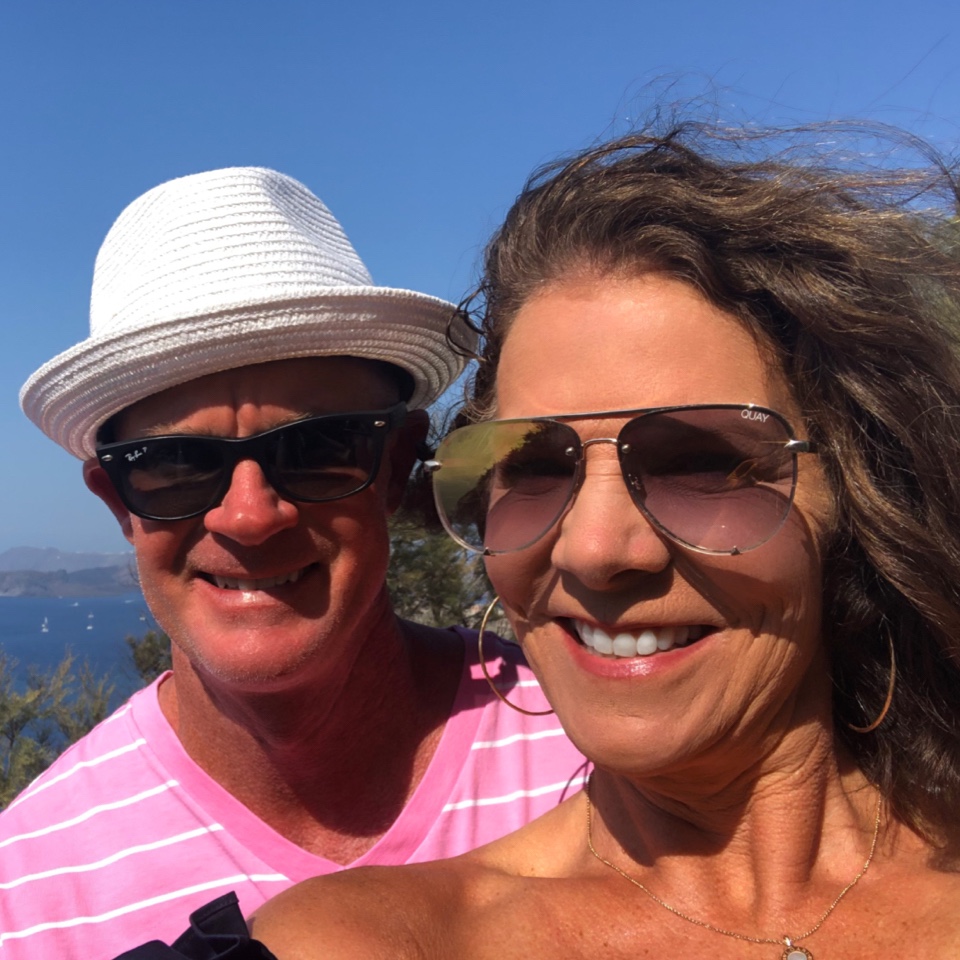

Our first stop when we arrived in Portugal was the capital city of Lisbon. Upon arrival we checked into the Tivoli Avenida Liberdade Lisboa Hotel. Located on Lisbon’s prestigious Avenida da Liberdade, this stunning hotel has been around since 1933 and was their perfect central location to explore this walkable city! And let’s not forget to mention the spectacular rooftop bar and restaurant SEEN. This spot is a draw to any visitor to Lisbon and you can see why. The views were amazing!


The first day was with a private guide to do a walking tour of Lisbon. Our guide was fantastic. We booked it through Context Travel. This was the first time using this travel service and we would highly recommend it. Their staff are experts in their field of study. So depending on your tour you may have a historian, teacher, or a seasoned chef for example. Estelle was our guide for Lisbon and she had her masters degree in art history and was a wealth of knowledge of all things Lisbon as she was born and raised here.
What we learned: We walked through the different neighborhoods and discussed the highlights of all of them. The area that has the best nightlife. The area that is the most posh. The area that the locals live in. The areas that were affected by the massive earthquake in 1755. The old part of Lisbon. The new part of Lisbon. You name it, we saw it and talked about it. This was by far the best guided tour I have probably ever been on. Now it was long and we did a LOT of walking. We walked almost 6 miles throughout the 7 hours we spent together.
Estelle gave us lots of tips on things we should try and see or do on our second full day in the city. So on day 2 we did just that!
We went back to see the Igreja Sao Domingos which was closed the previous day for cleaning so we wanted to make sure we got to see inside it. And we are sure glad we did! This church has been through a lot, from the damage it took during the 1755 earthquake to the most recent devastation in 1959 when a fire completely gutted the interior of the church. You can see how they have restored the church but not remade it. So you can still see all the markings of the damage done from the fires. It was beautiful and the restoration was done in a way to leave traces of the history. Most of the original ornate artifacts were destroyed which included the gilded altar. There was something very magical about this church.

Largo de Chiado – a little square you don’t want to skip!
We passed through this part of Lisbon on our walking tour and made note to return the next day. This little square has it all!
Largo do Chiado is one of the busiest squares in the capital. There are notable landmarks that give life to this neighborhood. These include two statues of renowned Portuguese poets Fernando Pessoa and Antonio Ribeiro, the historic café A Brasileira and the beautiful Loreto and Encarnação churches.


Also in the Chiado neighborhood is Luis de Camoens Square. This small square is the transition zone between Chiado, Lisbon’s cultural heart and Bairro Alto, Lisbon’s shopping and nightlife area. In its center is a monumental statue of 16th-century epic poet Luis de Camões standing on a pedestal with other smaller statues of classical Portuguese authors.

And one shop you don’t want to miss is the famous Bertrand Bookstore. The Bertrand bookstore opened in Portugal in 1732, in Chiado and has held the record as the oldest bookstore in the world still in activity. We purchased a copy of Os Lusíadas. This piece of work is often regarded as Portugal’s national epic. It was written by Camões (he is the poet in the statue above) and was first printed in 1572. The copy we purchased has the English translation side by side with the original Portuguese writings. We even got the bookstore to stamp the inside for us!


The best parts of Lisbon
Honestly, the best part of Lisbon is just Lisbon. It is just lovely to walk through the streets of this historic place. The old town has very narrow streets if they can even be called that. You can’t even fit a modern car down them. So wear great walking shoes – my preference would be sneakers! The streets are uneven and sometimes slippery.
How to get around
Be sure and downloaded the Bolt App – this is similar to Uber but we found it was much more accessible and while the city is walkable, there are times after walking through the city you may enjoy a quick car ride back!


June is the month of Popular Saints
The Day of Saint Vincent is the 22nd of January but Lisbon’s public holiday is the 13th of June, the Day of Saint Anthony. And we soon realized that they now celebrate not just the 13th but for the entire month of June. The streets were being decorated and this annual celebration happens throughout the country. Different cities celebrate different saints – so for Lisbon it is Saint Anthony.
You can read more Popular Saints Celebrations below:
June is the month of celebrations and festivities for the Popular Saints throughout the country on the nights of St. Anthony, St. John and St. Peter.
https://www.tasteoflisboa.com/blog/patron-saint-of-lisbon/
Fado, Music of the World
When you talk about history, there is not much more iconic to Portuguese culture than Fado music. As we strolled through the old town you will find this mosaic of Amália, also known as the ‘Rainha do Fado‘ (“Queen of Fado“). Amália Rodrigues, born in 1939 helped push Fado music to the international fame while the origins of this genre can be traced back to the 1820’s.

Fado
In its essence, it sings the feeling, the heartbreak, the longing for someone who left, the daily life and the conquests. After all, the matches and mismatches of life are an infinite theme for inspiration. A style which values above all the performance of the voice, which gives colour to the repertoire sung, brings the interpreter, the musicians and the listener to the same brilliance.
https://www.visitportugal.com/en/node/73868
We ended our full day tour in the Old Town. This is where you will find the Castelo de São Jorge. Here you can also find one of the most picturesque views from all of Lisbon. We didn’t actually wait in line, buy tickets and enter the castle. You can see the walls from the outside and our guide said that our time was better spent exploring the rest of Lisbon rather than wait in line to look at the inside of the walls. So we took her word for it.


The Food
We had some of the best pastries in town, we ate at an authentic little restaurant off the beaten path, and we learned about the obsession with cod fish even though there is no cod caught in the waters surrounding Portugal. The fish is caught in Iceland and Norway and it is preserved in salt and transported to Portugal. 20% of all the cod caught globally is consumed in Portugal. Oh My COD?!?!? My personal favorite is the cod fritter. It is made with potatoe and cod and made into a ball (similar to a hush puppy) and fried. They are delicious. Pete like the sardines so I will just take his word on that because I didn’t try them.


You can read more about the Portuguese and cod here
At the turn of the 15th century, the Portuguese became pioneers in setting up large ships for cod fishing. However, salted cod was not considered “first class” food in Portugal
https://www.portugal-the-simple-life.com/post/portugal-and-codfish#:~:text=The%20consumption%20of%20salted%20cod,first%20class%22%20food%20in%20Portugal.
Street after street you will find shops occupying the bottom of every building. This is done on purpose and it regulated by law from what we were told. All buildings will keep businesses on bottom floor and living spaces will occupy the upper floors. Buildings that have been designated as historic also have regulations on any renovations to them. Each shop, if designated historic, must maintain the original facade and interior. So that makes walking the city of Lisbon a joy!
 The Modern Nomads
Leave a comment